6 Reasons Why You Shouldn't Wait to Address Septic System Issues
Septic system issues often begin with changes that are easy to overlook. Slow drains may begin interfering with daily routines, unpleasant odors can spread into outdoor areas, and a system that still seems usable may already need attention. Because much of the equipment is underground, the absence of an obvious breakdown can make a developing concern easy to underestimate.
When warning signs appear, septic system services can clarify what needs attention before a developing problem becomes a larger interruption. Pumping, maintenance, and repairs address different needs, making professional evaluation important even when symptoms seem familiar. The following six reasons explain why the signs already present deserve attention before a complete failure.
1. Wastewater Problems Can Interrupt Essential Household Routines
Daily life depends on wastewater leaving the house reliably. According to the U.S. Environmental Protection Agency's SepticSmart Program (2025), septic and decentralized wastewater treatment systems serve more than one-fifth of U.S. households. For those homes, dependable sanitation relies on equipment serving the property rather than a connection to a centralized sewer system. A problem with that equipment can affect activities as ordinary as bathing, washing dishes, or using the bathroom.
Slow drains throughout the home or gurgling fixtures deserve attention because the concern may extend beyond one inconvenient sink. If wastewater begins backing up, several rooms can become difficult to use at the same time, affecting the household more broadly than a minor plumbing annoyance. Professional attention while those first changes are developing offers a chance to address the system before normal routines are interrupted.
2. Accumulated Solids Continue Taking Up Space
A tank can collect sludge and scum even when the plumbing appears to be working normally. These materials need ongoing attention because the tank's condition is not fully visible from the kitchen or bathroom. Smooth drainage does not establish that accumulated solids remain at an appropriate level. Waiting until wastewater stops moving can leave the underlying buildup unresolved well beyond the point when service would have been useful.
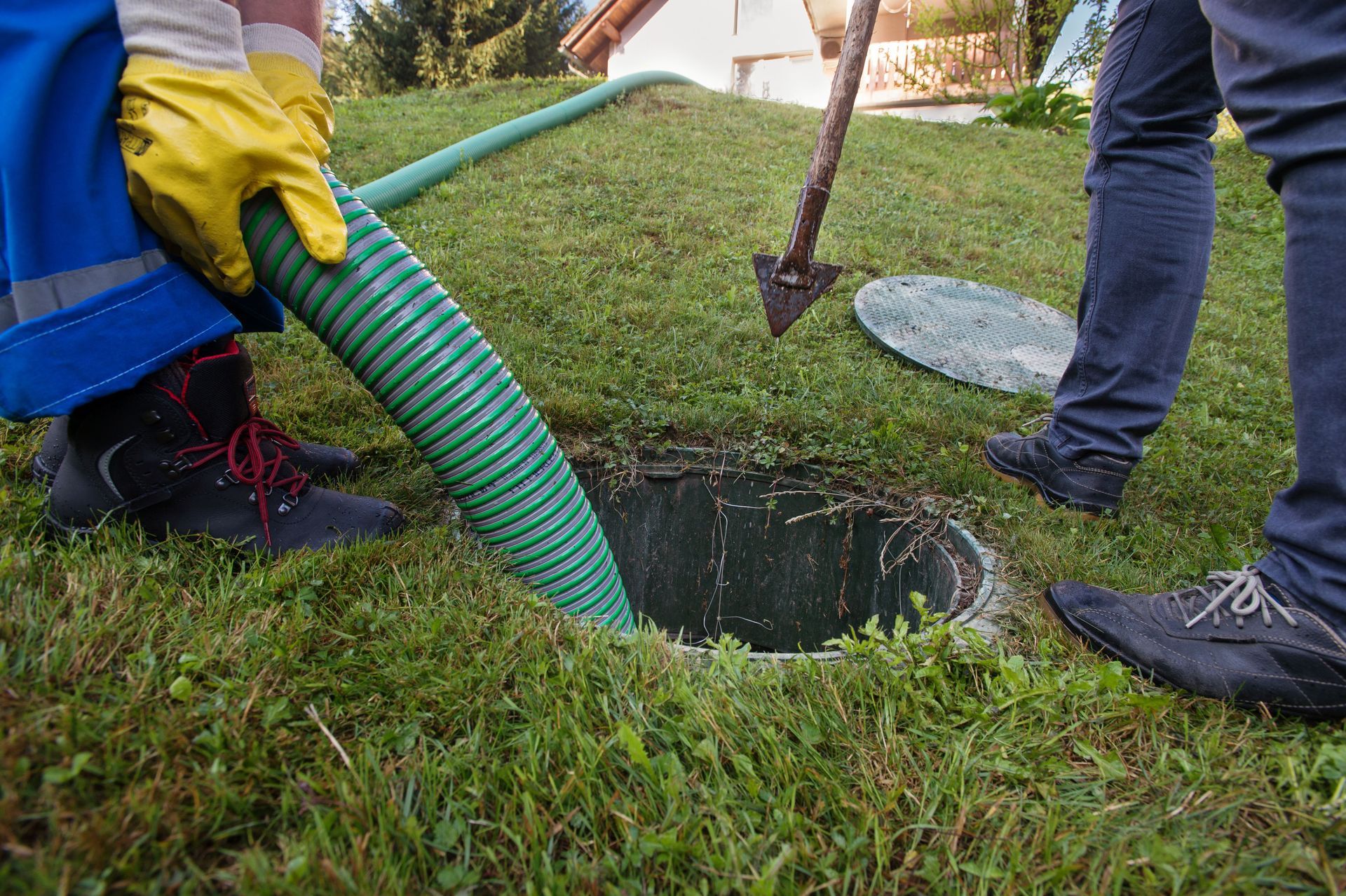
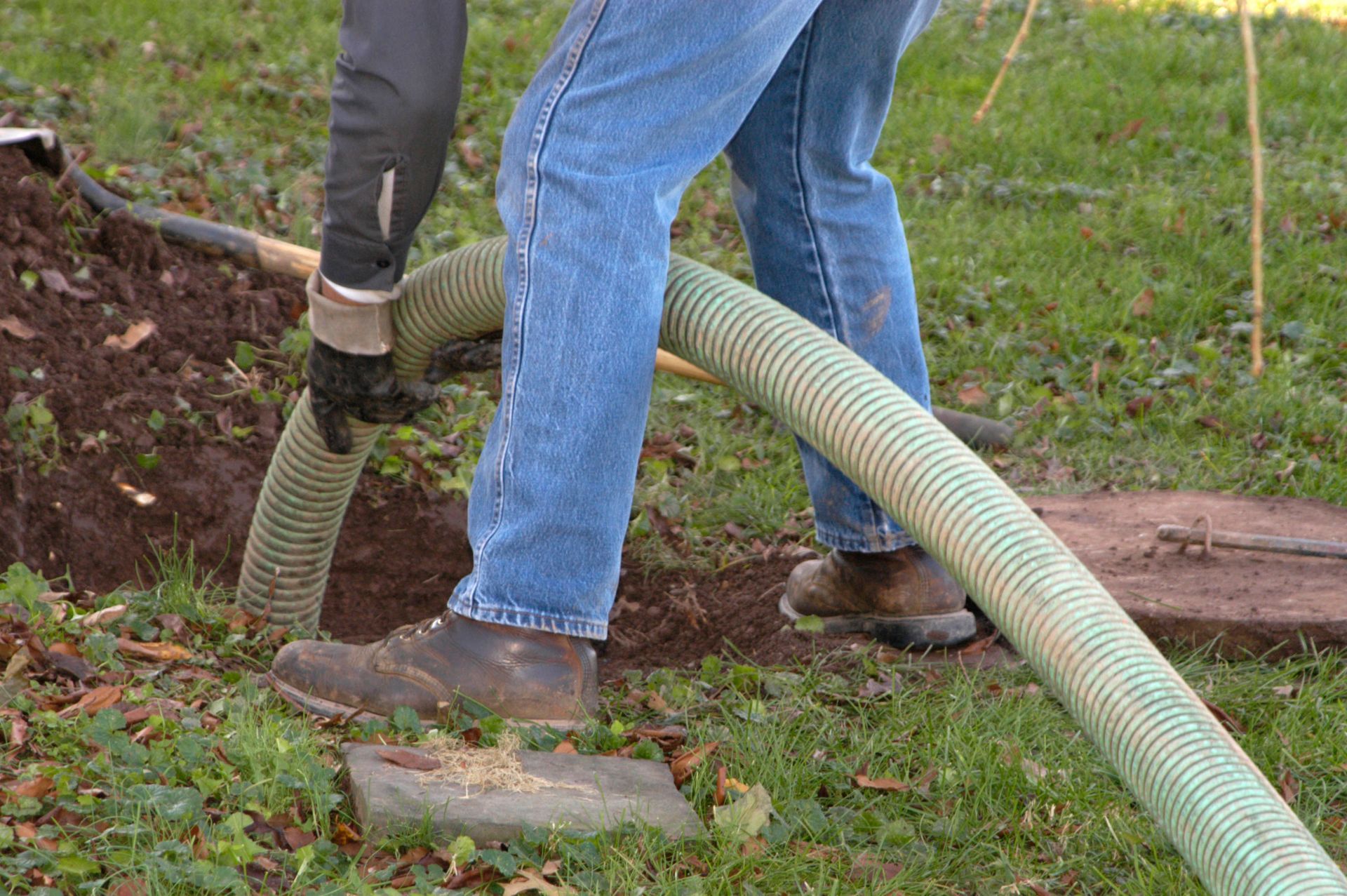
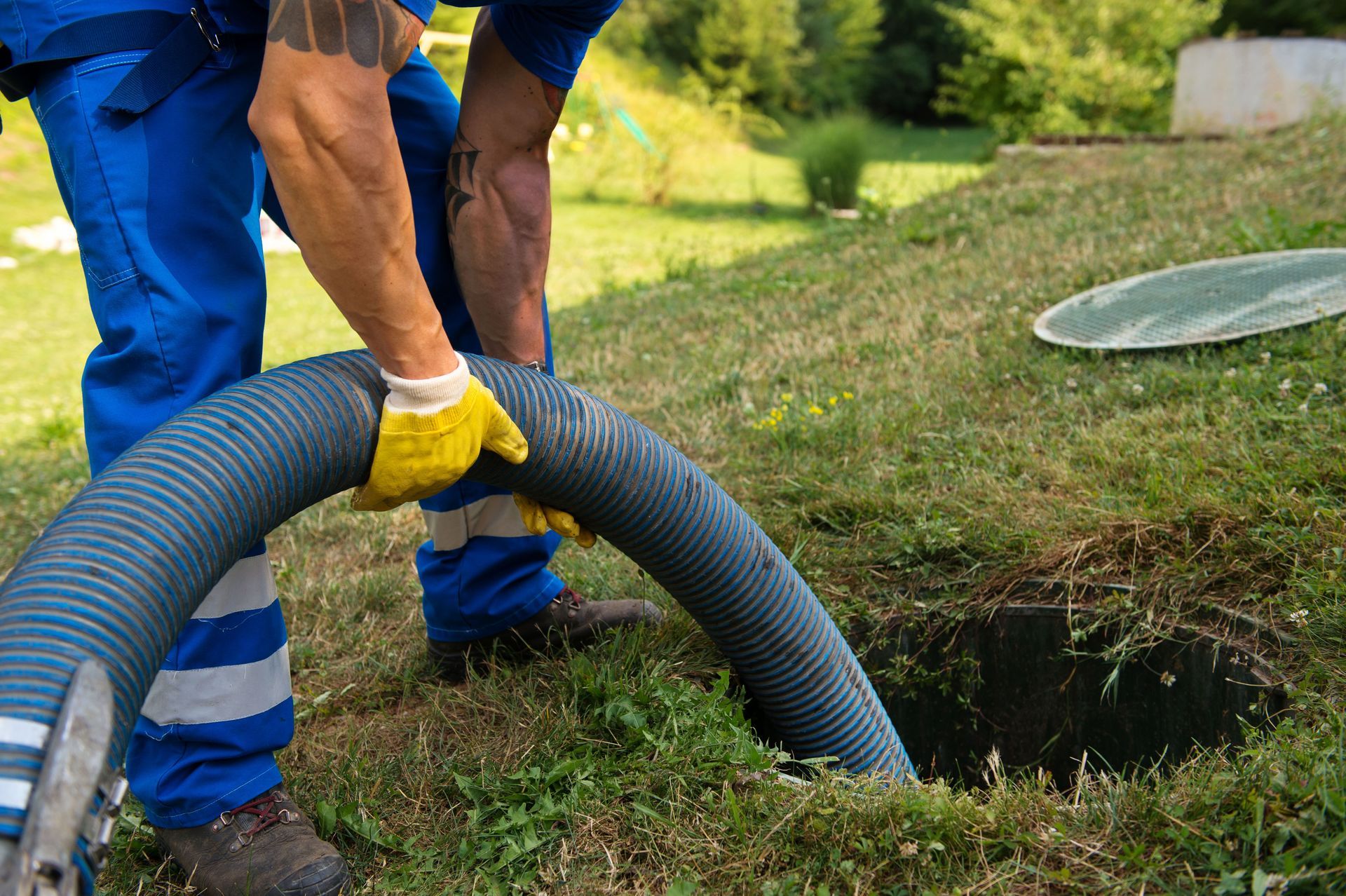
Professional pumping removes accumulated material, making it an important part of septic system services for tanks that need attention. Maintenance also provides an opportunity to assess the system instead of relying solely on whether a fixture drains that day. Pumping targets material retained in the tank, which can continue accumulating even while liquid wastewater still moves through the system. Addressing the condition inside the tank helps keep the response connected to the source of the problem rather than the temporary inconvenience at a fixture.
Accumulation can also contribute to clogged lines, affecting the path wastewater needs to follow through the system. Managing solids helps reduce the chance that buildup will interfere with movement beyond the tank itself. Professional attention can distinguish a pumping need from another problem that also affects drainage, allowing the recommended work to address the condition found.
3. The Drain Field Can Be Affected by Tank Problems
The tank is one part of a larger wastewater treatment system. When sludge and scum are not kept at appropriate levels, solids can reach the drain field and contribute to long-term damage. A concern that begins with overdue attention inside the tank may therefore affect another part of the property. This connection is an important reason to respond before a visible backup makes the need for service unmistakable.
Protecting the drain field is one reason septic system services matter before a backup forces the issue. Pumping removes accumulated solids from the tank so they are less likely to move into the area intended to handle wastewater leaving it. Keeping that material managed supports the rest of the treatment process rather than treating the tank as an isolated container. A homeowner may first notice a slow drain indoors, but the reason for responding includes protecting parts of the system that cannot be judged from the condition of a sink.
4. Outdoor Warning Signs Can Affect Use of the Property
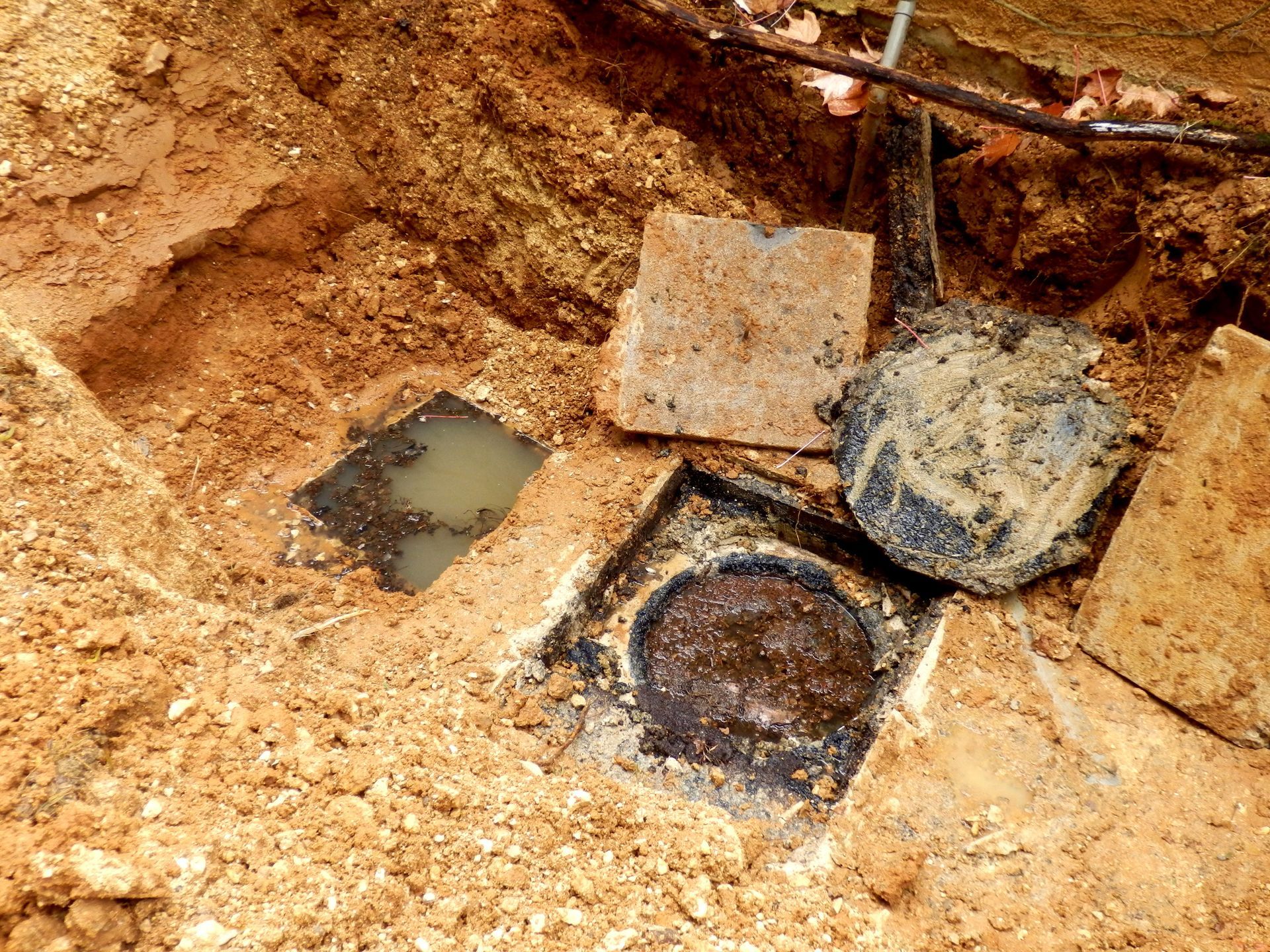
Unpleasant odors near the tank or drain field can make outdoor spaces less comfortable long before an indoor backup occurs. Wet, spongy ground where the system is located is another warning sign that deserves professional evaluation. Those changes can interfere with how a household uses the yard and draw attention to a problem that may be developing below the surface. Treating them as a separate landscaping nuisance can leave the wastewater system's condition overlooked.
Requesting septic system services for new odors or persistent wet areas brings those outdoor warnings into the assessment of the wastewater system. A yard problem should receive attention even when indoor fixtures have not yet backed up. When slow drains or gurgling are also present, the combined changes provide a clearer picture of the concern. Responding at that stage keeps the focus on why the affected area has become wet or unpleasant, so the household can address the malfunction instead of simply working around a deteriorating outdoor space.
5. Wear and Malfunctions Can Remain After Symptoms Ease
A system can have a developing repair need even when wastewater continues moving. Components may begin to wear before a homeowner experiences a sudden backup, and an intermittent symptom can disappear without establishing that the underlying condition has been corrected. Professional septic system services can address both accumulated waste and repair needs, so an assessment helps establish which concern is affecting operation. That distinction matters because pumping and component repair serve different purposes.
An intermittent problem can create a misleading sense of relief when drainage improves for a while. That improvement may leave the reason for earlier gurgling or odors unanswered, particularly when the same symptoms keep returning. A professional can assess whether accumulated material, wear, or another malfunction needs attention and explain the appropriate work. The purpose of acting during a quieter period is to address a recurring concern while the system remains usable, rather than accepting each improvement as proof that the problem has gone away.
6. Routine Service Dates Do Not Override New Symptoms
Maintenance needs depend on the type of system and the household using it. A conventional septic tank and an aerobic treatment plant do not automatically call for the same service schedule, and family size can influence the attention required. A planned appointment provides a useful routine, but it does not describe the equipment's condition on every day between visits. An upcoming pumping date is therefore not a reason to postpone septic system services when new warning signs appear.
The pattern of household use matters as well as the number of residents. Aerobic systems can receive additional loading from food waste or excessive water, so a familiar service date may not account for a change in how the system is being used. Discussing that history gives maintenance decisions more context than the calendar alone.
New symptoms can be addressed without abandoning the value of routine maintenance. The service professional can consider the concern together with the system type, the household's usage, and its maintenance history before recommending the next step. That makes a scheduled plan responsive to what the equipment actually needs instead of relying on the appointment date alone. A household can keep its regular maintenance arrangement while arranging earlier attention for a change that has already appeared.
Warning signs give homeowners a reason to seek clarity before wastewater problems become a larger interruption. Acting on those changes supports a home that remains comfortable to use and a system whose condition receives appropriate attention. At Stansbury Septic Service, we provide pumping, maintenance, and repairs to address the needs of existing septic and aerobic systems. Contact us to discuss the changes you have noticed and arrange professional service.

Share On: