What Happens Underground When You Skip Septic System Pumping?
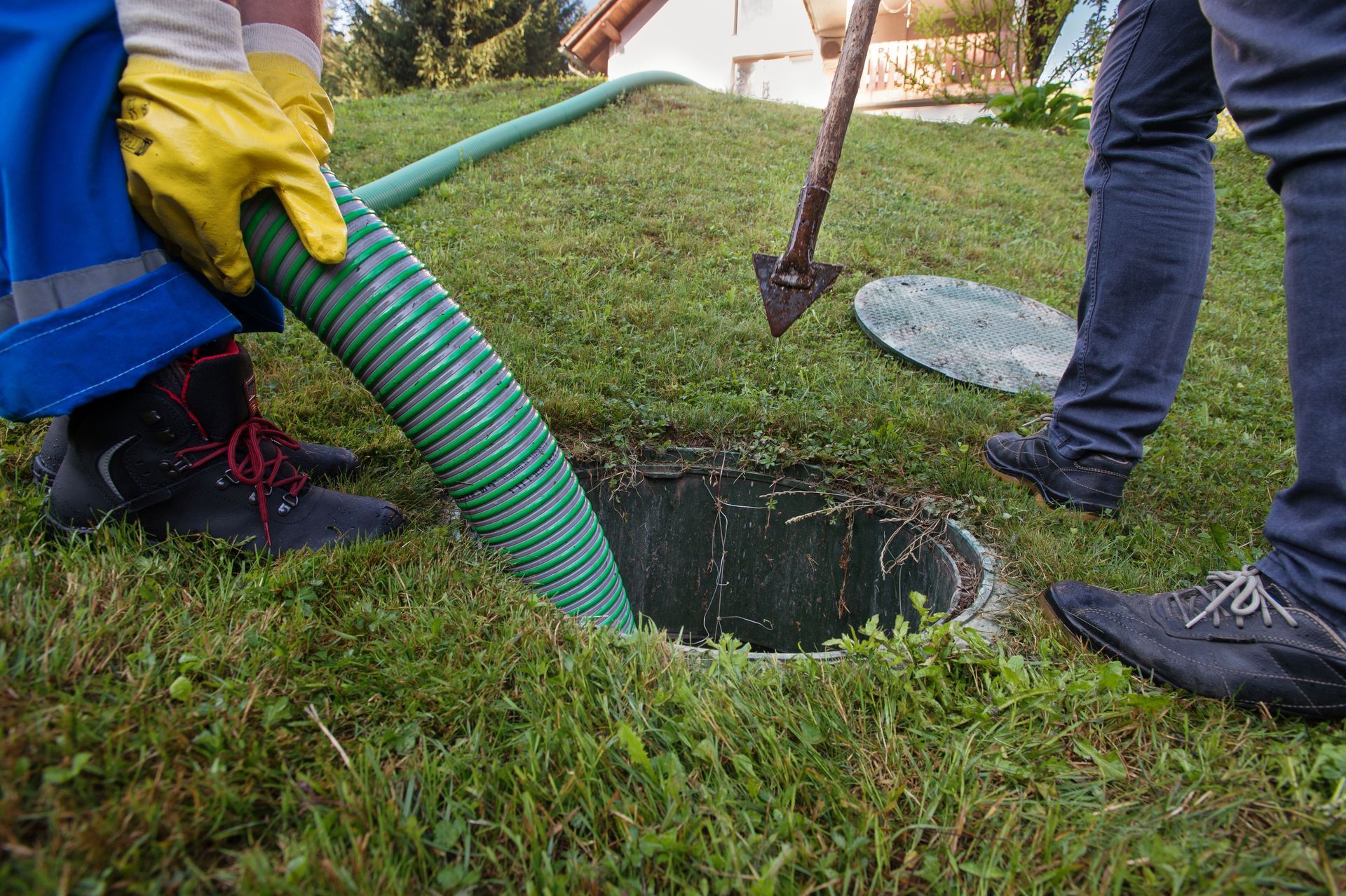
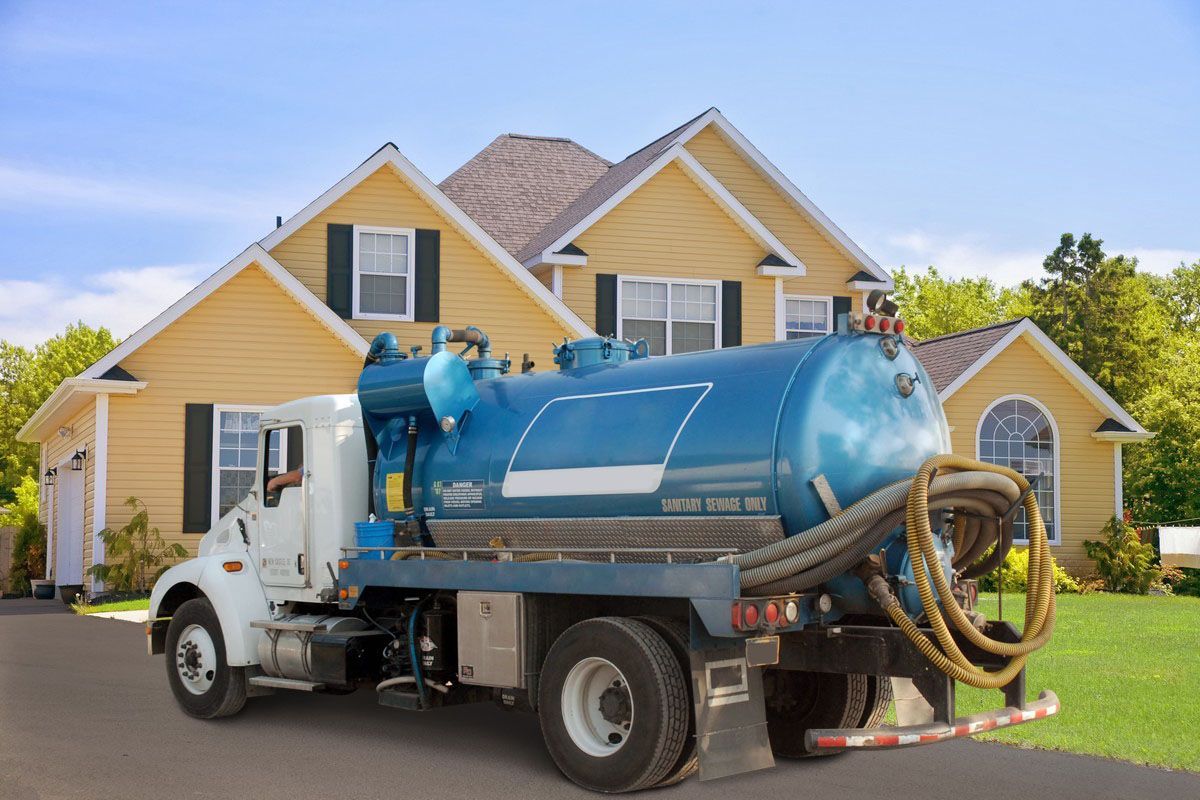
Beneath the surface of many homes lies a system that quietly manages one of the most essential aspects of daily life. A septic system operates out of sight, yet it plays a critical role in maintaining sanitation, comfort, and environmental safety. Because it is hidden underground, it is often overlooked until something goes wrong. However, what happens beneath the surface when routine care is ignored can be far more complex than most homeowners realize. Septic system pumping is one of the most important services required to keep everything functioning properly. When it is skipped, a gradual chain reaction begins inside the system that can eventually lead to serious disruptions. Understanding these underground processes helps illustrate why consistent maintenance is essential.
Waste Accumulation Within the Tank
Inside every septic system, the tank serves as the first point of collection for all wastewater entering from the home. This includes everything from sinks and showers to laundry and toilets. As waste enters the tank, it naturally separates into layers. Heavier solids sink to the bottom, forming sludge, while lighter materials float to the top, creating a scum layer. Between these layers, partially treated liquid flows outward to the next stage of the system.
When septic system pumping is not performed regularly, the sludge layer continues to grow without interruption. Over time, this accumulation reduces the available space inside the tank. As the tank fills, it becomes less capable of properly separating waste, which is a crucial step in the treatment process.
As this imbalance increases, the system begins to lose efficiency. The tank is no longer able to handle incoming waste as intended, and materials that should remain contained may begin to move into other parts of the system. What starts as a slow buildup can eventually create widespread issues that extend beyond the tank itself.
Bacterial Imbalance and Sludge Growth
A properly functioning septic system depends heavily on beneficial bacteria to break down organic waste. These microorganisms work continuously within the tank to reduce solid material and support the overall treatment process. When conditions are balanced, this natural breakdown helps keep the system running smoothly.
However, when septic system pumping is skipped, the excessive buildup of sludge disrupts this balance. The environment inside the tank becomes overcrowded, making it harder for bacteria to perform their role effectively. Instead of breaking down waste at a steady rate, the system begins to lag behind the volume of incoming material.
This imbalance can lead to thicker sludge and a slower decomposition process. As a result, waste accumulates more rapidly, further stressing the system. Over time, the reduced efficiency of bacterial activity contributes to odors, poor performance, and increased strain on every component of the septic system.
The longer this condition persists, the more difficult it becomes to restore the system to proper function. Professional intervention is often required to correct the imbalance and remove the accumulated material safely.
Drain Field Saturation and Soil Impact
After wastewater leaves the septic tank, it enters the drain field, where it is dispersed into the surrounding soil. This area is designed to filter and absorb treated liquid, allowing it to safely return to the environment. The soil plays an essential role in this process by removing contaminants and supporting natural filtration.
When septic system pumping is neglected, excess solids can escape the tank and enter the drain field. These solids can clog the soil, preventing it from absorbing water as intended. As the soil becomes saturated, it loses its ability to filter wastewater effectively.
This can lead to visible issues such as standing water, unpleasant odors, and soggy areas in the yard. Beyond surface-level problems, the impact on the soil can disrupt the natural balance of the environment. Plants may struggle to grow, and the overall health of the landscape may decline.
In more severe cases, untreated or partially treated wastewater can move beyond the drain field and affect nearby water sources. This highlights how a problem that begins underground can extend far beyond the immediate area of the system.
Pipe Blockages and System Pressure
The network of pipes within a septic system is designed to transport wastewater efficiently between different components. These pipes rely on a steady flow of liquid to function properly. However, when septic system pumping is not performed, the buildup of solids can interfere with this flow.
As sludge levels rise, solid material may begin to move into the pipes, creating partial blockages. These obstructions restrict the movement of wastewater and increase pressure within the system. Over time, this pressure can cause significant strain on the pipes.
The effects of this strain may eventually become noticeable inside the home. Drains may slow down, unusual noises may occur, and fixtures may not function as expected. These symptoms often indicate that the problem extends beyond the surface and into the underground system.
In addition to disrupting flow, increased pressure can lead to structural damage. Pipes may shift, crack, or weaken, further complicating the situation. Addressing these issues often requires more extensive work than routine septic system pumping would have involved.
Waste Backflow Into the Home
One of the most concerning outcomes of skipping septic system pumping is the potential for waste to return to the home. When the system becomes overloaded and cannot process incoming wastewater effectively, it may begin to push material back through the pipes.
This backflow can appear in sinks, tubs, or toilets, creating an immediate and unpleasant situation. The presence of wastewater inside the home is not only inconvenient but also poses health concerns due to the bacteria and contaminants involved.
What makes this issue particularly challenging is that it often occurs without warning. By the time backflow becomes visible, the underlying problem has usually been developing for some time. This highlights the importance of preventative care and regular maintenance.
Resolving backflow issues typically requires professional assistance to remove blockages, restore system function, and ensure that the underlying cause is properly addressed.
Environmental Risks and Long-Term Damage
A neglected septic system can have far-reaching effects beyond the property itself. When solids and untreated waste escape the tank, they can contaminate the surrounding soil and nearby water sources. This can impact local ecosystems and reduce the quality of groundwater.
According to The Spruce, most home septic tanks hold between 1,000 and 1,500 gallons, though sizes can range from 750 to 1,750 gallons. When a system of this capacity becomes overwhelmed due to skipped septic system pumping, the volume of waste involved can contribute to environmental strain.
Contaminants that enter the soil can affect plant life and disrupt natural processes. If wastewater reaches groundwater, it may compromise water quality in the surrounding area. This can create broader concerns that extend beyond a single property.
Over time, the damage caused by a neglected system can become more difficult to address. Restoring the health of the soil and ensuring the safety of water sources may require significant effort. Regular maintenance plays a key role in preventing these outcomes and protecting the environment.
Skipping septic system pumping sets off a chain of events that unfolds beneath the surface. From the gradual accumulation of waste to the disruption of natural processes, each stage contributes to the decline of the system. While these issues may not be immediately visible, their impact eventually becomes apparent in ways that affect both the home and the surrounding environment. Maintaining a consistent approach to care ensures that the system continues to function as intended, reducing the risk of unexpected problems and preserving long-term stability.
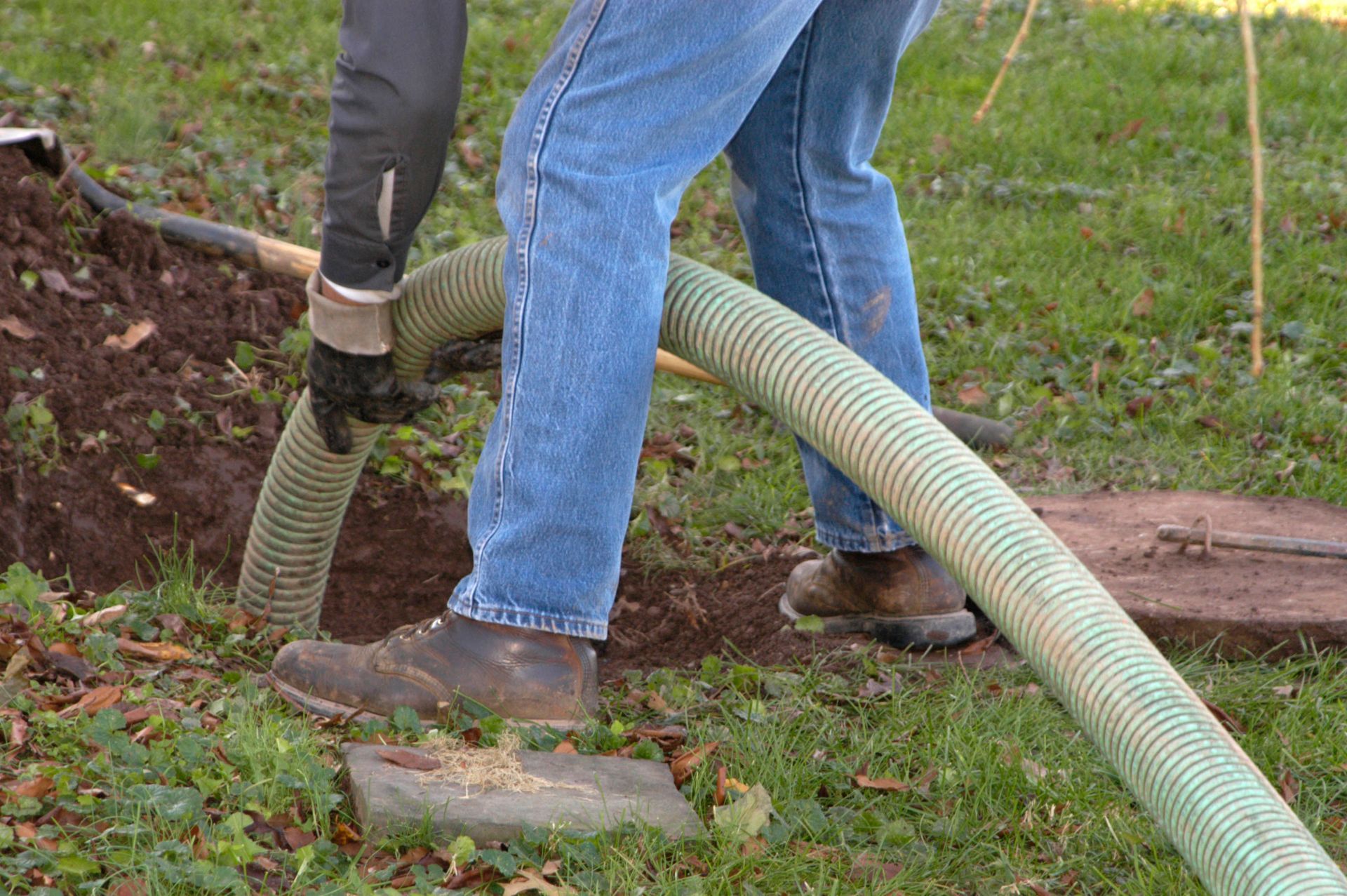
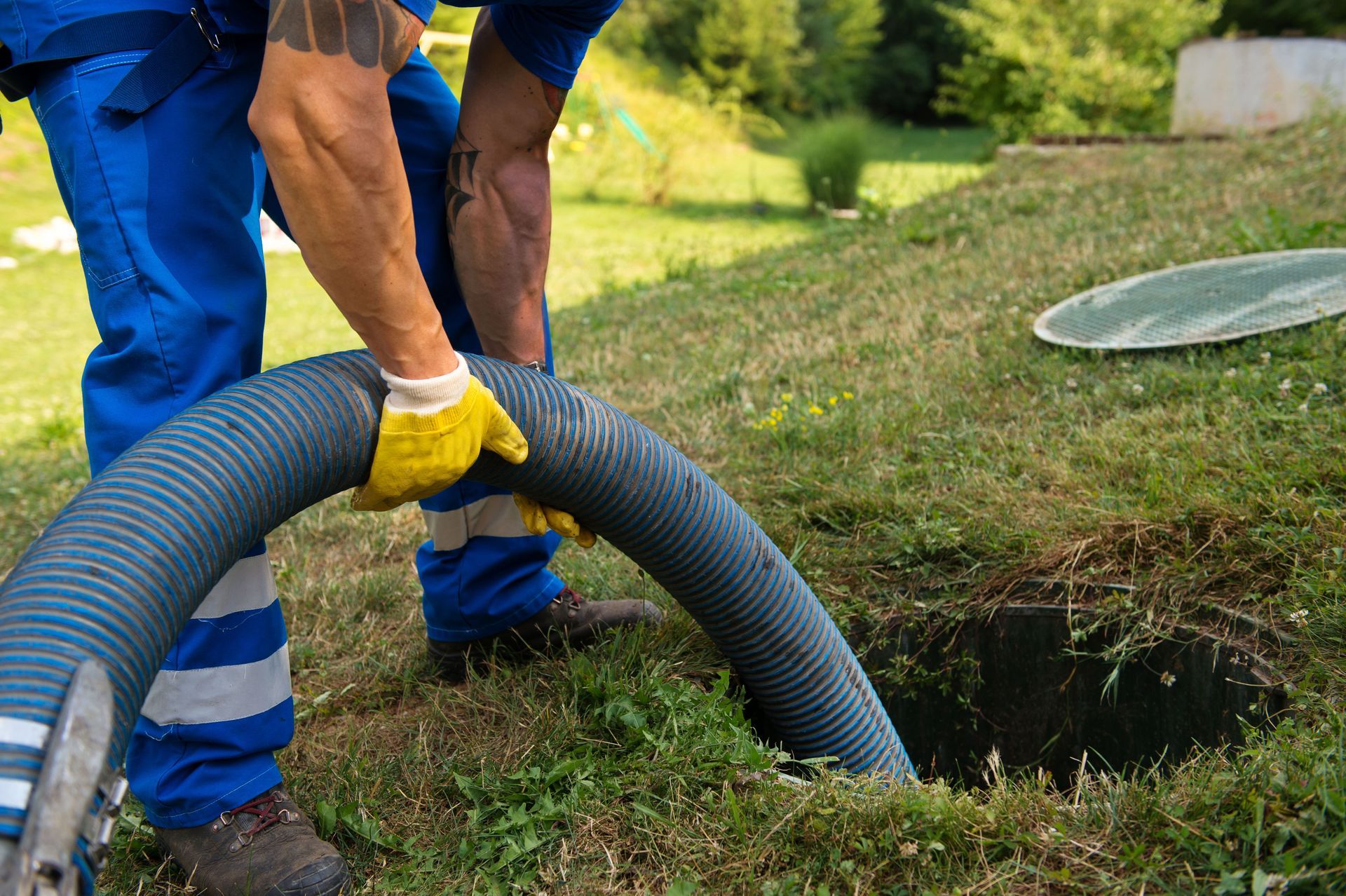
When it comes to protecting your home and avoiding unnecessary stress, we are here to help. At Stansbury Septic Service, we provide dependable septic system pumping designed to keep everything working smoothly underground. Our team is committed to helping you maintain a safe and efficient system so you can focus on your home with confidence. Let us handle the maintenance while you enjoy peace of mind knowing your system is properly cared for.
Share On: