Clearing Up 6 Common Misconceptions About Septic Systems
Septic services are an indispensable part of many residential properties, especially in rural areas. Despite their crucial role, several misconceptions exist about these systems that can lead to misuse, unnecessary expenses, and even health hazards. Let's take a moment to clear up a few common misconceptions about septic systems, providing you with accurate information to maintain and manage your systems effectively.
Misconception 1: Septic Systems Never Need Maintenance
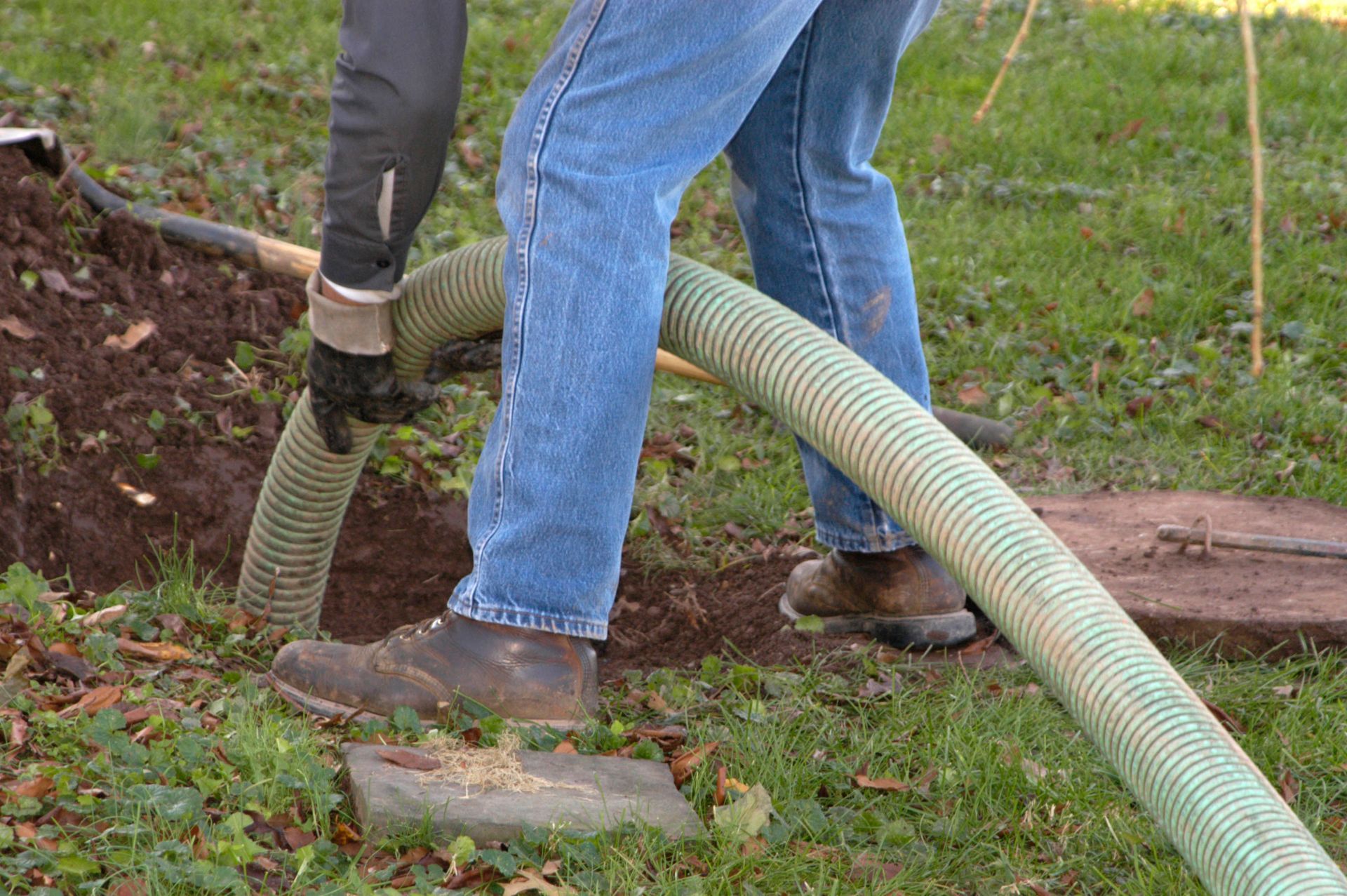
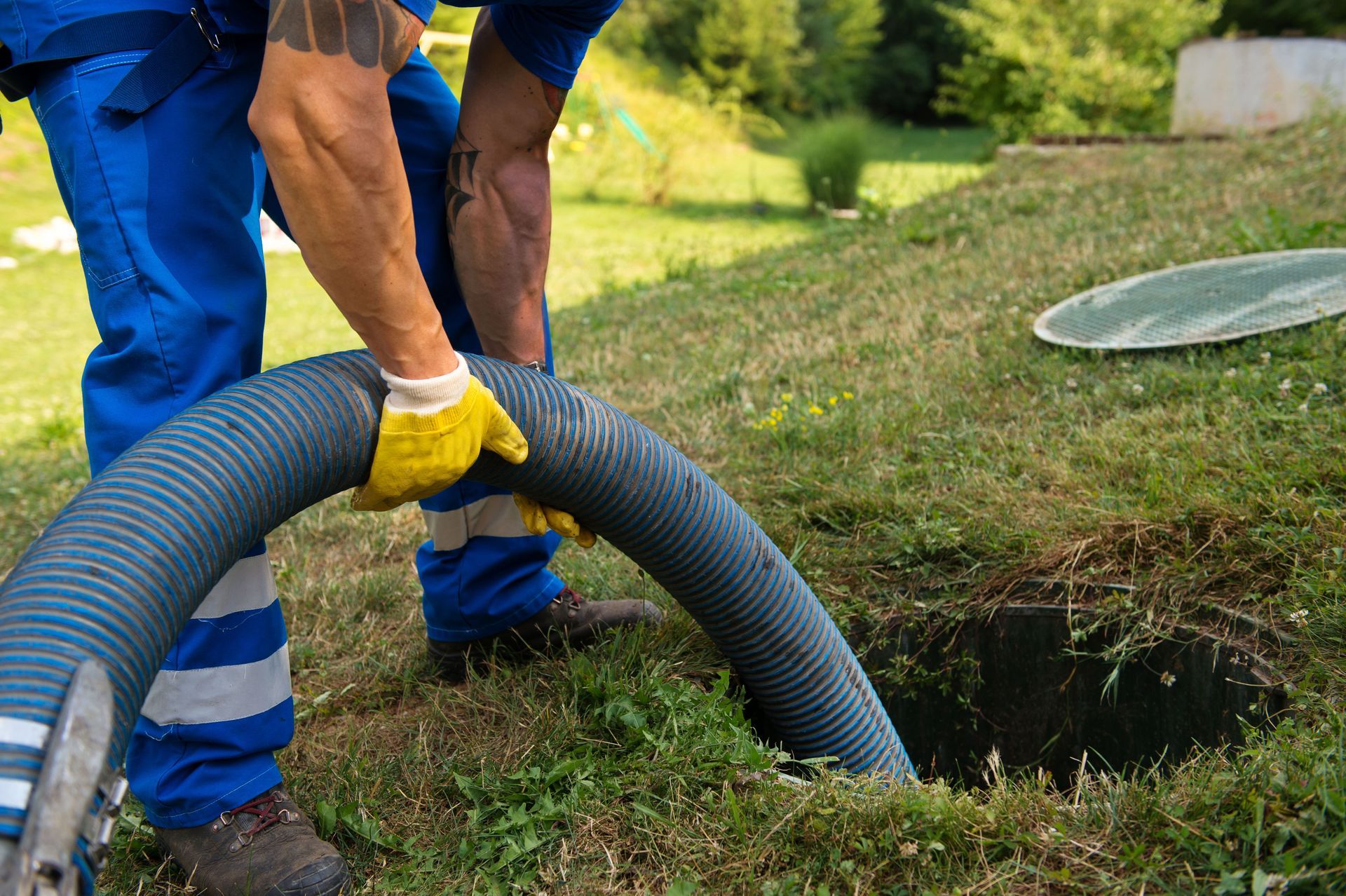
Many homeowners operate under the false belief that septic systems are maintenance-free. This misconception can lead to neglect, resulting in costly repairs or replacements down the line. Routine maintenance performed by septic services is essential to ensure that septic systems function at their best. Neglecting care can lead to blockages, backups, and potential system failure, which might require extensive pumping or repairs. Consistent care is the backbone of a longer lifespan for your septic system, for which regular inspections and pumping are key components.
Understanding the warning signs of septic system failure is crucial for any homeowner. Indicators like slow draining sinks, gurgling pipes, or unpleasant odors around the septic tank should prompt immediate attention. By addressing these issues early, homeowners can avoid more serious problems later. Likewise, neglect can shorten the lifespan of a septic system, which, according to This Old House, can range from 15 to 40 years, depending on various factors, including maintenance. It's evident that proactive maintenance helps in prolonging the effective operational life of these systems.
While some minor maintenance tasks can be performed by homeowners, professional services are often recommended. Professionals offer comprehensive services that ensure all aspects of the system are examined. They use specialized tools and knowledge to detect problems that an untrained eye might miss. Furthermore, scheduling regular professional inspections can preemptively address issues before they worsen. Opting for professional services over DIY solutions can be more cost-efficient in the long run by preventing potential system failures.
Misconception 2: Flushing Anything Biodegradable Is Safe
A common misunderstanding is that anything labeled as biodegradable is safe to flush into a septic system. However, not all biodegradable items decompose quickly enough to avoid causing harm to septic systems. This misunderstanding might lead homeowners to flush items like wipes, diapers, and cat litter, which can cause blockages. Septic systems rely on a delicate balance of bacteria to break down waste, and foreign materials can disrupt this balance. It is essential to understand that only human waste and toilet paper should be flushed into a septic system.
Commonly flushed items such as sanitary products and paper towels are often mistaken for being septic-safe. These items don't break down as quickly as regular toilet paper and can lead to expensive blockages and pump-outs. Homeowners should educate themselves about what can and cannot be flushed to maintain a healthy septic system. By doing so, they can avoid unnecessary repairs and prolong the life of their septic system. Educating all household members on proper waste disposal is crucial in maintaining a healthy septic system.
Misconception 3: Additives Replace the Need for Pumping
Some homeowners believe that using septic system additives can eliminate the need for regular pumping by local septic services. However, while additives may help maintain bacterial levels in a septic tank, they aren't a substitute for physical pumping. Pumping removes built-up sludge and scum that can't be broken down by bacteria or additives alone. Ultimately, regular pumping ensures that a septic system runs efficiently and lasts for its intended lifespan. Relying solely on additives can lead to clogs and other operational issues over time.
Although additives play a role in maintaining a septic system, they have limitations. Biological additives introduce more bacteria into the system, while chemical additives attempt to break down solids chemically. Nonetheless, neither type of additive can replace the physical removal of sludge and scum through pumping. Misunderstanding the capabilities of additives can inadvertently lead homeowners into neglecting necessary maintenance. Understanding these limitations encourages more responsible septic system management.
Misconception 4: Septic System Location Is Not Important
Some individuals underestimate the importance of the installation location for septic systems. However, proper site selection is crucial to ensure the system's longevity and efficiency. Factors such as soil type, slope, and distance from water sources influence system efficiency and environmental safety. Selecting an improper site can lead to contamination of groundwater or surface water, as well as system failure. Therefore, site assessment should be part of every septic system installation.
The quality and type of soil play crucial roles in a septic system's functionality. Certain soil types are more conducive to draining and filtration, while others pose risks to system efficiency and safety. Additionally, landscaping changes can impact the system, affecting how well it processes waste. Legal zoning laws and regulations also influence where a septic system can be installed, so adherence to these rules is non-negotiable. Recognizing these imperatives ensures that your septic system is both effective and compliant with local laws.
Installing a septic system in the wrong location can also introduce various hazards and complications. This mistake can require costly repositioning or result in a system that doesn't function properly. Long-term planning is vital, as re-installing a septic system is both expensive and disruptive. Ensuring the right placement at the outset minimizes complications and ensures that the septic system operates efficiently. Understanding these site-specific considerations leads to optimal septic system installation and performance.
Misconception 5: Septic Systems Are Environmentally Harmful
It's a common belief that septic systems are detrimental to the environment; however, properly managed systems can be environmentally friendly. Well-maintained septic tanks treat wastewater naturally by filtering bacteria and pathogens before it reaches groundwater. When installed and maintained correctly, these systems have minimal environmental impacts. Technological advances have further enhanced their efficiency, reducing their potential for environmental harm. This makes them a viable option for eco-conscious homeowners seeking sustainable waste management solutions.
Legal regulations and new technologies continuously advance, making septic systems more eco-friendly than ever. New filtration and dispersal technologies help in optimizing the system's efficiency and minimizing its environmental footprint. Legal frameworks guide homeowners in using these systems responsibly while reducing potential environmental risks. When comparing septic systems to municipal sewer systems, the former can be more environmentally sustainable for distant and rural areas. This makes septic systems a commendable choice for rural home sites seeking sustainable waste management solutions.
Misconception 6: Septic Systems Easily Contaminate Groundwater
There is a misconception that septic systems frequently contaminate groundwater. In reality, properly designed and maintained systems effectively prevent contamination. Septic tanks are engineered to separate waste, filter bacteria, and then release treated water into the leaching field, away from water sources. Homeowners should ensure that their system is situated and maintained to align with these principles. When followed, these guidelines prevent sewage leaks and preserve groundwater quality.
Various factors can contribute to the risk of groundwater contamination from septic systems. Poor maintenance, improper installation, and site neglect often elevate these risks. An overloaded system can overflow, leading to untreated wastewater entering the ground. Understanding how system design impacts groundwater safety is critical for mitigating contamination risks. Investing in certified septic services ensures effective system design and operation.
Debunking misconceptions about septic systems helps you manage these vital components more effectively, ensuring their longevity, efficiency, and safety. By understanding the true nature of septic systems and adhering to best practices, you can avoid costly repairs, protect the environment, and maintain the integrity of your property. To learn more from reliable septic services, reach out to the professionals at Stansbury Septic Service today!

Share On: